Keeping the Business Moving: How to Limit Downtime During a Local Relocation
A business relocation does not have to mean shutting down operations for several days. Even when the new office is only a short drive away, moving computers, furniture, files, equipment, and supplies can interrupt normal work if the transition is poorly coordinated. The key is to treat the relocation as an operational project rather than simply a change of address.
For Las Vegas companies, Nevada Movers provides moving assistance for businesses that need an organized approach to relocating offices and commercial belongings. With the right preparation, local services can be incorporated into a broader continuity plan instead of becoming a source of unnecessary delays.
Start Planning Before the Office Is Packed
The earlier the relocation is mapped out, the easier it becomes to identify potential interruptions. Begin by creating an inventory of everything that must move and divide it into categories based on how critical it is to daily operations.
Essential equipment, employee workstations, network hardware, records, and customer-facing materials should receive priority. Items that can remain packed for several days can be handled later.
Identify What Keeps the Business Running
Make a short list of systems and equipment that employees cannot work without. Depending on the company, this might include:
- Computers and monitors
- Network equipment
- Phones and communication devices
- Servers or specialized hardware
- Essential documents
- Production equipment
- Customer service materials
Once these priorities are known, the relocation can be structured around keeping those functions available for as long as possible.
Divide the Move Into Manageable Stages
Moving an entire business simultaneously can create unnecessary downtime. A phased approach may work better, particularly when the company operates from a large office or has several departments.
For example, nonessential storage and rarely used furniture can be relocated first. Departments can then move according to operational priority, with critical teams remaining functional until their new workspaces are ready.
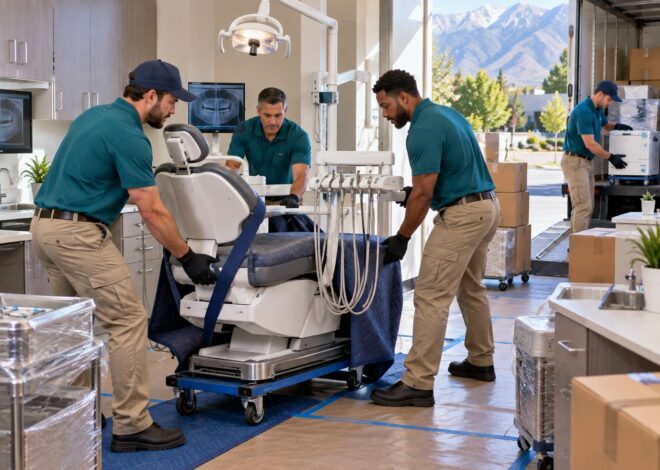
Nevada Movers can provide the physical labor required to move office belongings while company managers concentrate on keeping employees and customers informed.
Prepare the New Location Before Moving In
A relocation becomes much slower when employees arrive at the new property and discover that basic preparations are incomplete.
Before moving day, verify that the new space is ready for furniture, equipment, and staff. Check power availability, internet installation, access credentials, lighting, room assignments, and any building-specific requirements.
Create a Simple Floor Plan
A basic floor plan can save substantial time during unloading. Label work areas, meeting rooms, storage spaces, reception areas, and equipment locations before the crew arrives.
When furniture and boxes have clear destinations, movers do not need to repeatedly ask where individual items belong. Employees can then begin setting up their work areas sooner.
Protect Critical Technology During the Transition
Technology often represents one of the biggest sources of potential downtime. Computers and networking equipment should be prepared carefully before they are disconnected.
Back up important data and coordinate the shutdown and reconnection of essential systems. If the business relies on specialized equipment, assign responsibility for disconnecting and reinstalling it to the appropriate technical staff.
Do not mix critical electronics randomly with general office boxes. Clearly identify them so they can be located immediately after arrival.
Keep Employees Informed
Employees need to know when their workstations will be unavailable, where they should report, and which tasks can be completed remotely if necessary.
Provide a clear timeline rather than vague instructions. Explain packing deadlines, access arrangements, temporary working procedures, and the expected transition to the new office.
Good communication can prevent employees from arriving at a workspace that is still full of boxes and moving equipment.
Use Local Services Around Your Operating Schedule
Business relocations often have constraints that residential moves do not. Companies may need to avoid customer service hours, coordinate with building management, or complete certain stages overnight or during a weekend.
When selecting local services, discuss the operating schedule and access limitations in advance. A moving plan that works perfectly on paper may cause problems if elevators are unavailable during the planned loading period or if the building restricts commercial activity at certain hours.
Leave a Buffer for Unexpected Problems
Even carefully planned relocations can encounter delays. A delivery may arrive late, equipment may require additional setup, or building access may take longer than expected.
Avoid scheduling the move so tightly that one small problem disrupts the entire workweek. A short contingency period provides room to address unexpected issues without immediately affecting customers or employees.
Make the First Day at the New Office Productive
The relocation is not finished when the last box enters the building. Prioritize the items employees need to resume normal work first. Set up essential technology, workstations, communication systems, and frequently used supplies before tackling decorative or low-priority items.
A structured transition allows the company to move physically without putting its entire operation on pause. By combining advance planning, phased packing, clear responsibilities, and professional moving support from Nevada Movers, businesses can make a local relocation considerably more manageable while keeping valuable working time intact.